

How to Choose Handbags That Actually Fit Your Life (Work, Travel, and Everyday)
Choosing a handbag is easier when you start with how you move through your day. This guide breaks down the most useful styles, what they’re best for, and the trade-offs that matter in real life—so you can pick a bag that feels right, not just looks right.
If you’re shopping for handbags, the simplest way to choose is to start with your most common day: what you carry, how long you’re out, and whether you need hands-free comfort. For many women, a structured tote works best for work and errands with more items, while a crossbody bag is the easiest choice for commuting, travel days, and lighter carry. From there, focus on comfort, closure security, and organization—those three details usually decide whether a bag becomes a daily favorite or a closet resident.
| Style | Best for | What it feels like | Trade-offs to expect |
|---|---|---|---|
| Structured tote | Workdays, laptop + lunch, “carry a lot” routines | Polished, put-together, easy to set down | Heavier when full; can slip off shoulder if straps are narrow |
| Crossbody bag | Commutes, travel, weekends, hands-free errands | Light, secure, easy movement | Limited capacity; strap comfort matters on long days |
| Shoulder bag / hobo | Everyday carry with a softer look | Comfortable, relaxed, quick access | Can get slouchy; less structured organization |
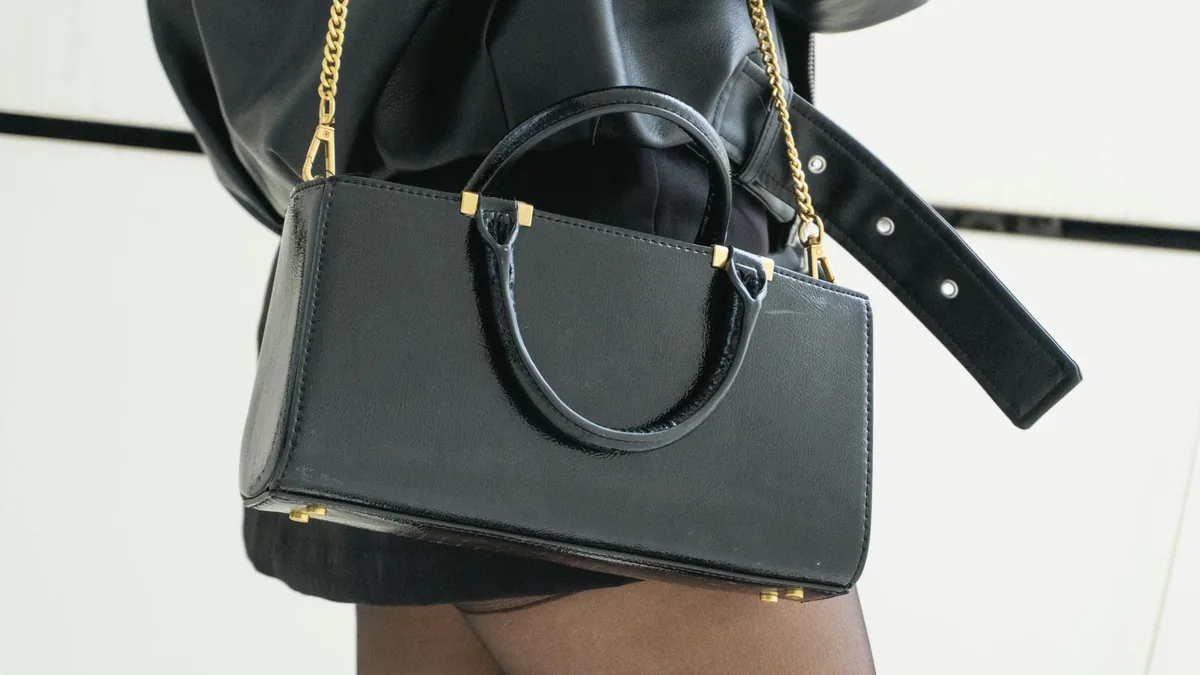
| Satchel / top-handle | Office-to-dinner, more formal outfits | Classic, tidy silhouette | Can feel fussy if you need fast access; often best with a strap option |
| Leather handbags (any style) | Long-term use, elevated everyday look | More substantial, often ages beautifully | Needs a bit more care; can show scratches depending on finish |
Who handbags like these are for
This guide is for you if you’re trying to choose between a few styles (or you keep buying bags that look right but don’t behave well in real life). It’s especially helpful for:
- Work commuters who need a bag that can handle daily in-and-out—keys, wallet, charger, maybe a small laptop—without feeling chaotic.
- Travelers who want something secure and comfortable for airports, walking-heavy days, and quick access to essentials.
- Busy everyday schedules where you’re juggling errands, coffee stops, and a packed calendar—and you need a bag that stays comfortable and organized.
- Minimalists and over-packers alike: the right structure and pockets can support either style, as long as you choose intentionally.
- Anyone considering women handbags in leather and wondering what “worth it” actually means (often: comfort, durability, and whether you’ll carry it weekly, not just occasionally).
Who may want to consider other options
You might want a different direction if any of these sound like you:
- You carry gym gear, a water bottle, or bulky items daily. A handbag may feel cramped; a roomier tote, backpack, or dedicated work bag can be more comfortable.
- You’re sensitive to shoulder or neck strain. Even beautiful bags can become annoying if the straps are narrow or the bag is naturally heavy—hands-free or weight-distributing options may suit you better.
- You prefer truly low-maintenance materials. Some leather handbags (especially smoother finishes) can require more mindful care than you want for everyday use.
- You need high security in crowded places. Open-top styles can be inconvenient if you’re often on public transit or traveling.
Buying considerations that matter in real life
When you’re comparing handbags, these are the factors that tend to make the biggest difference after the first week of carrying.
1) Carry comfort: strap drop, width, and flexibility
Comfort is usually the “make or break” detail. A strap that’s too short can slide off your shoulder; a strap that’s too thin can dig in once the bag is full. If you walk a lot, look for a strap that sits flat and doesn’t twist easily—and consider a crossbody option for long days.
2) Closure and security (especially for commuting and travel)
Think about where you’ll use the bag most. Zippers and secure flaps tend to feel calmer in crowds and on transit. Open-top totes are convenient, but they’re best when you’re mostly moving between car, office, and home.
3) Organization: fewer “better” pockets beat many tiny ones
In many women handbags, one or two easy-to-reach zones matter more than a maze of compartments. A dedicated spot for phone/keys plus a main compartment you can see into usually keeps daily carry smooth.
4) Structure: how the bag behaves when it’s set down
Structured bags feel tidy and professional, and they’re easier to pack intentionally. Softer bags can be more comfortable and casual, but they may slump, swallow smaller items, and feel messy if you don’t use pouches.
5) Material and upkeep: what you’re realistically willing to maintain
Leather handbags can be a smart long-term choice, but “leather” isn’t one experience. Some finishes show wear quickly, while others hide it well. If you know you’ll toss your bag under airplane seats or onto café floors, prioritize materials and colors that won’t make you anxious.
Pros and cons (by common handbag choices)
Structured totes
- Pros: Professional look, easy to organize, often fits more than expected.
- Cons: Can get heavy; open tops can feel less secure; shoulder comfort varies widely.
Crossbody bags
- Pros: Hands-free, comfortable for walking, typically more secure, great for travel days.
- Cons: Limited capacity; can feel cramped if you carry a lot; strap length/adjustability matters.
Leather handbags (general)
- Pros: Elevated look, can age well, often holds shape better than very soft materials.
- Cons: Requires some care; can show scratches or water marks depending on finish; weight can be higher.


A simple decision framework (choose in 60 seconds)
- If you carry a laptop, notebook, and “just in case” items, start with a structured tote. Then confirm: comfortable straps + a closure you’ll actually use.
- If you walk, commute, or travel often, start with a crossbody bag. Then confirm: strap comfort + enough space for phone, wallet, keys, and a few extras.
- If you want one bag for most outfits, choose a medium, neutral everyday shape (shoulder bag or satchel) and prioritize: easy access + organization you won’t fight.
- If you’re deciding between leather and “easier” materials, ask yourself: “Will I baby this?” If the answer is no, look for finishes and colors that hide wear and feel forgiving.
- If you’re stuck between two sizes, choose the one that matches your most frequent day—not your occasional day. A bag that fits your routine gets carried; a bag that fits a fantasy tends to wait.
Final verdict
The best handbags aren’t the ones with the most features—they’re the ones that match how you actually move through your day. If you need capacity and a polished look, a structured tote is usually the calmest choice. If comfort and security matter most (especially for commuting or travel), a crossbody bag is hard to beat. And if you’re leaning toward leather handbags, think of it as a lifestyle match: choose leather when you want a more substantial feel and you’re comfortable with a little upkeep, not because it’s “supposed” to be better.

Quick Next Step
-
If you’d like, take a quick inventory of what you carry on a normal day (not your busiest day) and use it as your “bag checklist.” Once you know your true essentials, it gets much easier to narrow down women handbags that fit—without second-guessing.
FAQ
What’s the most practical everyday handbag style?
For many people, it’s a medium crossbody or a comfortable shoulder bag—something that stays secure, doesn’t feel heavy, and has just enough organization for keys, phone, wallet, and a few personal items.
Are leather handbags worth it for daily use?
They can be, especially if you like a more structured look and plan to carry the bag often. The key is choosing a leather finish (and color) you won’t worry about—daily use naturally brings some wear.
How do I keep a tote from becoming a “black hole”?
Look for a tote with a few meaningful pockets, or use one small pouch for loose items (lip balm, earbuds, chargers). The goal is fewer categories, not more compartments.
Is a crossbody bag okay for work?
Yes—especially if your work essentials are light. If you carry a laptop or documents daily, a tote or work-focused bag may feel more comfortable and professional.
What closure is best for travel?
Generally, a zipper closure (or a flap that fully covers the opening) feels most secure in crowded places. It also helps keep items from slipping out when you’re on the move.
If you’d like, take a quick inventory of what you carry on a normal day (not your busiest day) and use it as your “bag checklist.” Once you know your true essentials, it gets much easier to narrow down women handbags that fit—without second-guessing.